01
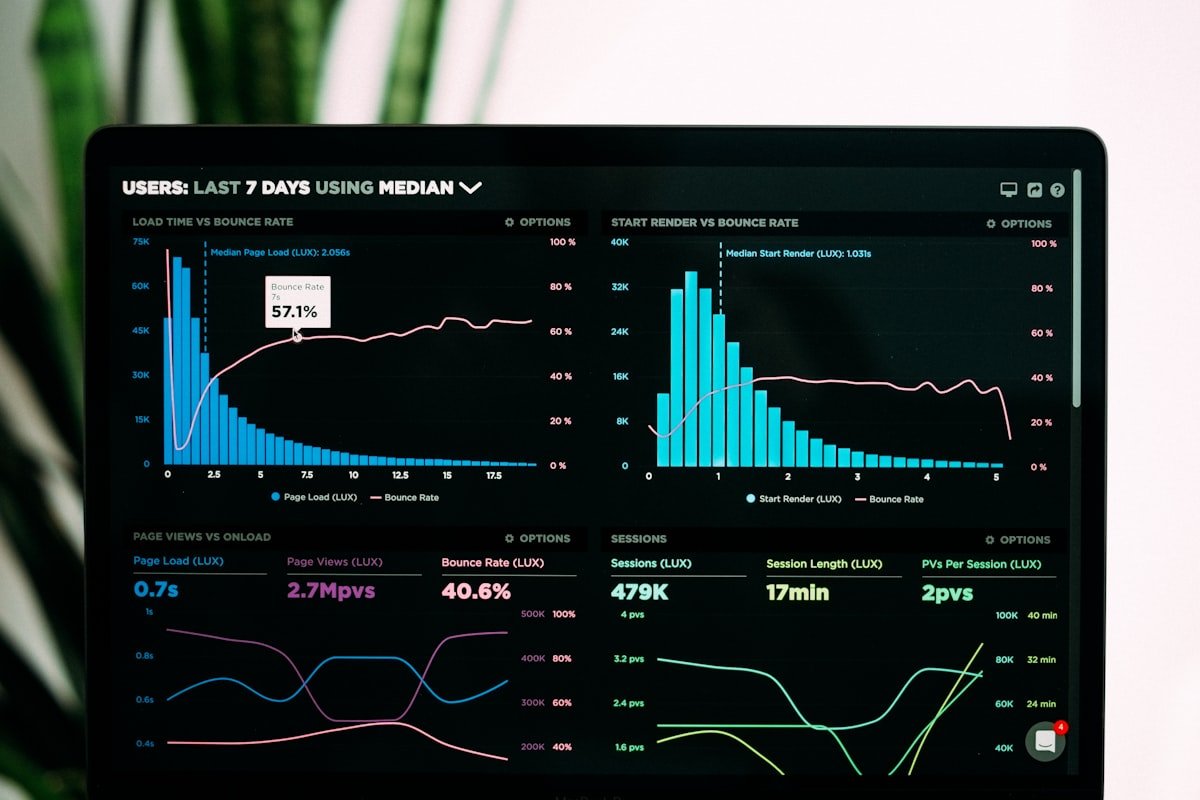
Use-case & data audit
Pick the highest-ROI AI workflow and assess data quality, privacy, and risk.
Production LLM pipelines, RAG, agents, and intelligent automation — not demo-only prototypes.
Overview
We build AI systems meant to run in production: evaluation, guardrails, observability, and clear failure modes. From RAG knowledge bases to voice agents and workflow copilots, we focus on measurable outcomes — not hype.
Technologies
How we deliver
01
Pick the highest-ROI AI workflow and assess data quality, privacy, and risk.

02
Build a thin vertical slice with eval sets, latency checks, and cost estimates.

03
Add RAG/tools, guardrails, human-in-the-loop, logging, and fallbacks.
04
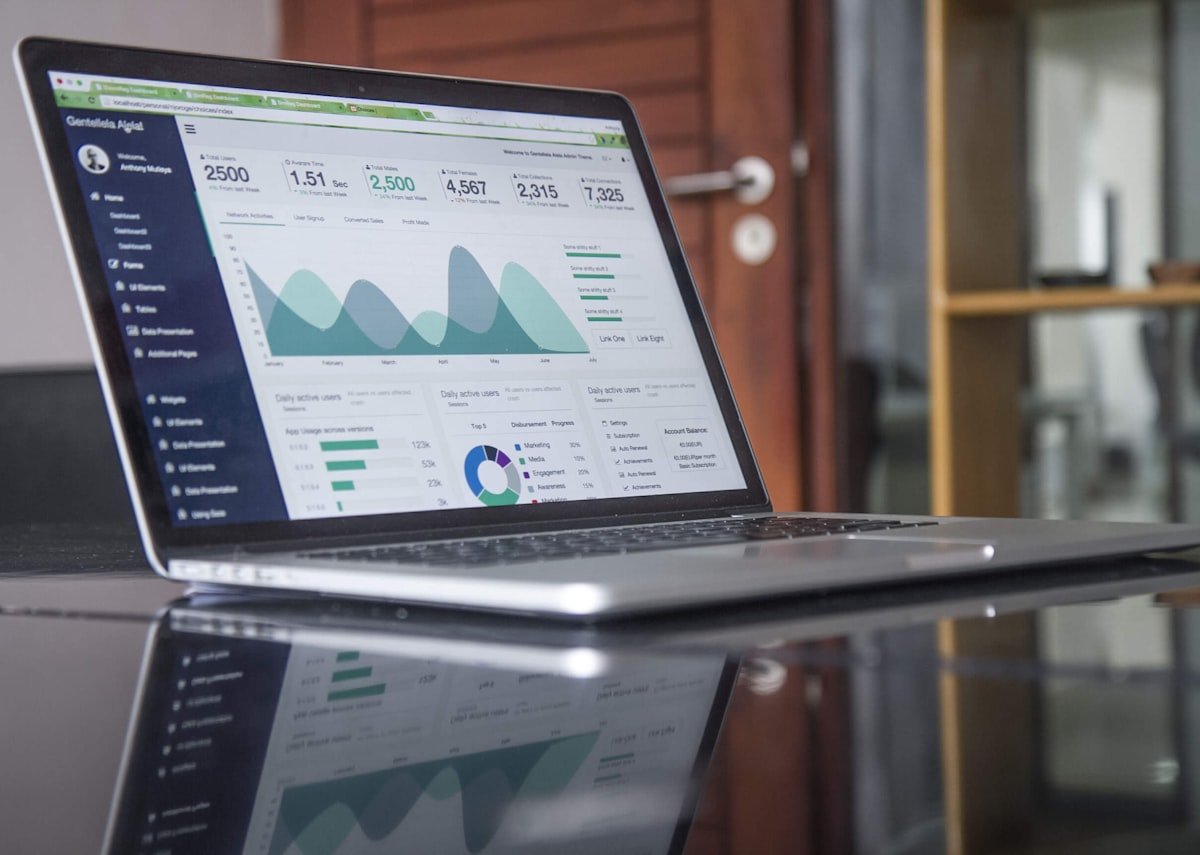
Monitor quality, tune prompts/models, and expand coverage with measured gains.
Questions
A scoped RAG assistant over your own documents runs $20,000–$50,000. Multi-step agent systems with tool use and human review run $50,000–$150,000. Beyond build cost, model inference is an ongoing operating expense — we model it during scoping so the unit economics are on the table before you commit, not after your first monthly bill.
RAG (retrieval-augmented generation) retrieves relevant content from your own data and gives it to the model as context, so answers are grounded in your documents rather than the model's training data. You need it when answers must reflect your specific, current information — policies, product docs, records. You do not need it for general reasoning or writing tasks, where it adds cost and latency for no benefit.
With engineering, not prompt wishful thinking: grounded retrieval with citations back to source, an evaluation suite of real questions with known-correct answers that runs on every change, confidence thresholds that escalate to a human instead of guessing, and production logging so you see failures as they happen. Any vendor promising zero hallucinations is selling you something — the goal is a measured, monitored error rate low enough for the use case.
We are model-agnostic and design behind an abstraction layer so you are not locked to a provider. In practice we most often use Claude and GPT models for reasoning-heavy work, with smaller or open models for high-volume, narrow tasks where cost dominates. Model choice is an evaluation result, not a preference.
Yes — most of our AI work is added to systems that already exist rather than built greenfield. We integrate at the API layer, keep the AI path isolated so failures degrade gracefully instead of taking your product down, and ship behind feature flags so you can control rollout.
Related services

Tailor-made applications that solve complex challenges, integrate with your workflows, and scale as you grow.

Fast, reliable web applications and SaaS platforms built with React, Next.js, and modern frameworks.

iOS and Android apps users love — native quality with efficient cross-platform delivery.
Send a short description of what you need. We come back with scope, a timeline, and a number — not a discovery-call funnel.
Tell us roughly what you need. You will get a real reply from an engineer within one business day.